In bygone days, gardeners would spend mid-winter poring over seed catalogues and planting bare-rooted roses and fruit trees sent to them by snail-mail or rail. Nowadays, we go to well-stocked nurseries in winter to buy what’s flowering and looking good!
Here at Tuingenoot we strive for providing our customers with a wide variety of garden goodies. Along with helping you in making the right choices with tips and tricks to get through the year in your garden. Here are the ones for July.
Gardening to do list: For the plant enthusiast
- Add colour to the boarders of your garden beds or splashes of color to those pots with snapdragons, Bellis perennis, violas and pansies and calendulas.
- Keep picking and deadheading annuals to encourage them to produce more flowers and further growth.
- Look at feeding your annuals, spring bulbs and clivias regularly with foliar fertilisers (seagro and Nitrosol are good) or apply a slow-release organic feeds like flower power or gwano pellets.
- Keep on picking sweet peas, Iceland poppies and stocks to encourage the plants to continue flowering.
- Water cool season, seed lawns (like Shade Over, Pro lawn and All Seasons Evergreen) well. A light sprinkle of 3:1:5 fertiliser will give them a good boost.
- Rose pruning is done in the second half of July, until the end of August in very cold regions. Gardeners who approach this task with trepidation can relax, as rose pruning is basically the removal of dead wood and weak and old twiggy stems, in order to attain a neat and pleasing shape, to open up space for new stems to grow, and to cut back to a desired height
- Water Mediterranean plants like lavender, rosemary
- Winter is also lavender planting time and here’s a selection of the best lavenders for your garden all of which can be found ag our nursery:
- Lavandula angustifolia – compact and bushy with small, grey-green leaves and long flower spikes in deep purple.
- Lavandula dentata (toothed lavender) – spreading, bushy shrubs with scalloped foliage which are either dark green or grey depending on the variety. Fragrant, purple-blue flowers.
- Lavandula x intermedia (English lavender) – vigorous hybrid with a spreading growth habit and aromatic grey-green leaves. Tall flower spikes covered in small mauve flowers.
- Lavandula stoechas (french lavender) – numerous hybrids available of this compact bushy shrub with slender green leaves. Short spikes of purple or pink flowers topped with two colourful bracts looking like rabbit ears.
- If you would like to encourage butterflies and bees to your garden look at our selection of flowering fynbos plants such as pincushion, and erica varieties.
- If you would like to encourage continued flowering throughout winter and into spring, look at planting annuals like stocks and Iceland poppies.
- After your camellias have flowered, water in a light application of an organic, high-nitrogen fertiliser to promote your plants with new growth.
- When pruning your hydrangeas, cut back the stems which have flowered by about half, ensuring to cut above a thick round green bud. Remove all diseased, dead, or damaged growth.
- Take hardwood cuttings of hydrangeas, hibiscus, buddleia, Chinese lanterns and indigenous shrubs like, Mackaya bella, Duvernoia aconitifolia and D. adhatodoides and Tetradenia riparia, the ginger bush. Trim the base of each cutting straight just below a node, and snip the top at an angle above a node to remind you which end is which.
Gardening to do list: For the kitchen gardener
- It’s time to prune deciduous fruit trees like peaches and nectarines and snip off the long, scraggly side branches of granadillas. Apricots, plums, apples and pears that need a little winter pruning.
- Protect cold-sensitive vegetables like lettuce, celery and parsley from winter frosts with frost cloth.
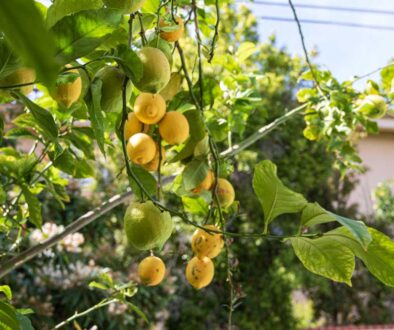
- Be sure to check on your citrus trees for scale. Add a layer of mulch, but don’t let it touch their trunks. Feed your citrus with 3:1:5 SR (slow release) and water well. Remember that all fertilisers need to be dug into the soil to be effective.
- Growing cabbages in garden beds or pots; their form, colour and shape will add interest to the winter garden. Three types to try are: cabbage drumhead, glory of enkhuizen cabbage and Red cabbage.
For the time-pressed gardener
- Effortlessly add colour to your patio by dropping colour pots of mature bedding plants and flowering bulbs, sold in individual containers, into a single large container. Make up your own colour combinations or try white freesias with pansies and Bellis perennis.
FUN WITH THE KIDS
- Make your own DIY bird snack by stringing pieces of dried fruit on a long piece of string with a large needle, knotting the string at intervals keeping the dried fruit in place – it’s incredibly simple and the birds will absolutely love it.
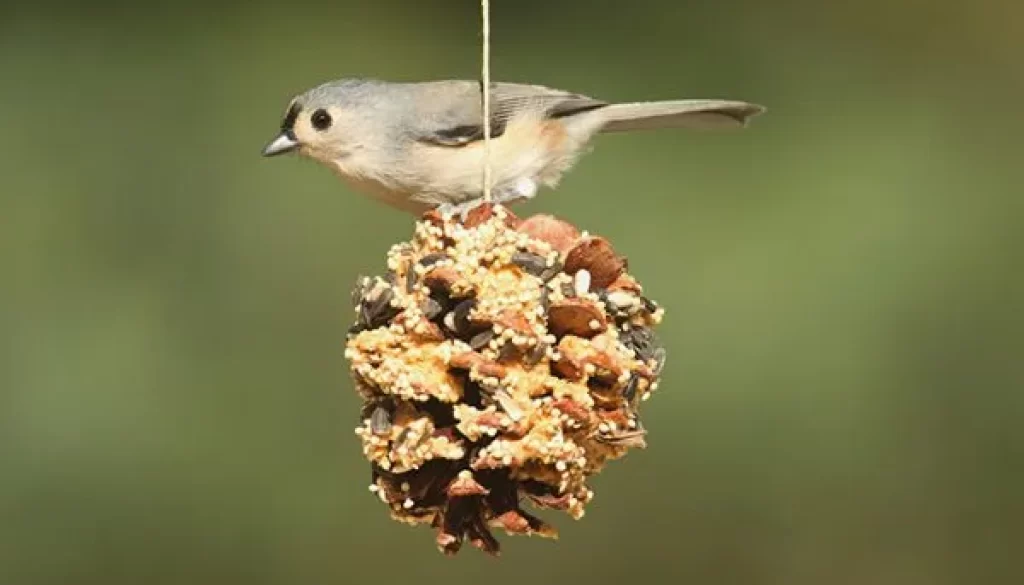
- Another DIY bird feeder that you could look at making with the kids: mix peanut butter and bird seed and spoon into the small cracks of a pinecone. Tie the pine cone with string and hang in a tree, sit back and enjoy our feathered friends as they snack on your own creation.