August is notoriously the windy, windy month of the year…blowing winter out the backdoor and with it bringing new beginnings, fresh growth and warmer days in the front. So let’s shake off those winter blues, and get cracking, get planting and get fertilising – spring is right around the corner!
General Gardening Tasks
August is known for it’s between weather and is quite unpredictable. There is still the possibility of a cold spell passing through, so be cautious with removing frost cover from your tender plants.
The days are warming up and tend to be very dry and windy. Be sure to stake up those standards, young trees and climbing plants and check and replace old stakes to prevent wind damage, from your beloved plants.
This is the perfect time to tidy up and cut back dead branches anything that may have suffered from frost damage on your shrubs and climbers. Prune and shape shrubs, climbers and hedges that have finished flowering or will flower after mid-summer on new growth. be sure to wait until the second half of August to prune those frost-sensitive plants.
We can still carry on with deviding our perennials like Ornamental grasses, Agapanthus, Hemerocallis, Dietes etc if you didn’t do so in autumn start doing it now, to fill out those empty spots. Cut back the leaves and replant in freshly composted soil. Fertilise with an organic 5:1:5 or 2:3:2 and water well.
Don’t panic There is still time to prune those roses!
If you haven’t pruned your roses yet, be sure to do so during the first week of the month. Look at fertilising them with a 3:1:5 fertiliser, and mulch well along with watering thoroughly.
Winter annuals will be in full bloom now. Feed them fortnightly with a liquid fertiliser of your choice gods options are seagro, trelmix and Nitrosol. Continue picking out all dead flower heads to ensure that their colours brighten up the garden for as long as possible. Remove spent plants and fill gaps with new seedlings or colour pots. A new variety is available weekly on our floors.
The watering needs of your plants will now slowly start to increase. Mulch, mulch, mulch with bark chips, nut shells, peach pips, leaves or a good ground cover; anything that will keep moisture in without damaging the soil. Adjust your irrigation systems according to your plant’s new needs.
Be sure to remove those dreaded weeds as soon as the little pests appear. Apply a thick layer of compost on all your beds. It will help to suppress weed growth, along with providing the nutrients needed for strong and healthy growth and also serve as a mulch.
You can look at applying an organic 2:3:2 fertiliser along with vermicast according to the recommended dosage to all beds, new plantings and pruned plants to help promote strong new growth.
Summer flowering bulbs should be hitting our shelves at the end of August. Grab your favourites as soon as you can and plant them for a spectacular summer show. Feed your spring flowering bulbs and bulbs that have completed their flowering with bulb food or an organic 3:1:5 fertiliser to ensure a successful season next year. Avoid removing the leaves on bulbs that have finished flowering, as they need these to produce food for the development of the bulb.
When it comes to your Acid-loving plants that are showing signs of chlorosis (yellowing of leaves) should be given an application of Iron Chelate according to the instructions. After a fortnight, give a them dose of Magnesium Sulphate (Epsom Salts) and apply a foliar feed of your choice. Mulch with acid compost or pine bark.
Indoor Plants
Now is the time to Re-pot those indoor plants or fill up with fresh potting soil. Increase watering as days get warmer, but be sure to do think finger test before watering. You can also start feeding with a liquid fertilizer every 3 weeks, rather use half the recommended dosage at first, and you can adjust accordingly as you go along. Be sure to clean those leaves with a soft, damp cloth, or take them outside amd hose them down.
Fruit and Veggies
Time to thoroughly plan and prepare beds and planting for those spring and summer veg and herbs. If you are starting a new bed, be sure to remove all weeds, stones and large clots. Dig in a generous layer of quality organic compost kainosis is a great choice, into all beds and allow to rest for a while until you’re ready to plant.
If you looking at planting spring herbs and vegetable seedlings that are available on our shelves at Tuingenoot. Be sure to spread an organic snail bait around the young plants to deter snails and slugs, as they are on the hunt for fresh growth.
Why not sow beetroot, radish, carrots, bush and runner beans and a last batch of peas before their season has passed.
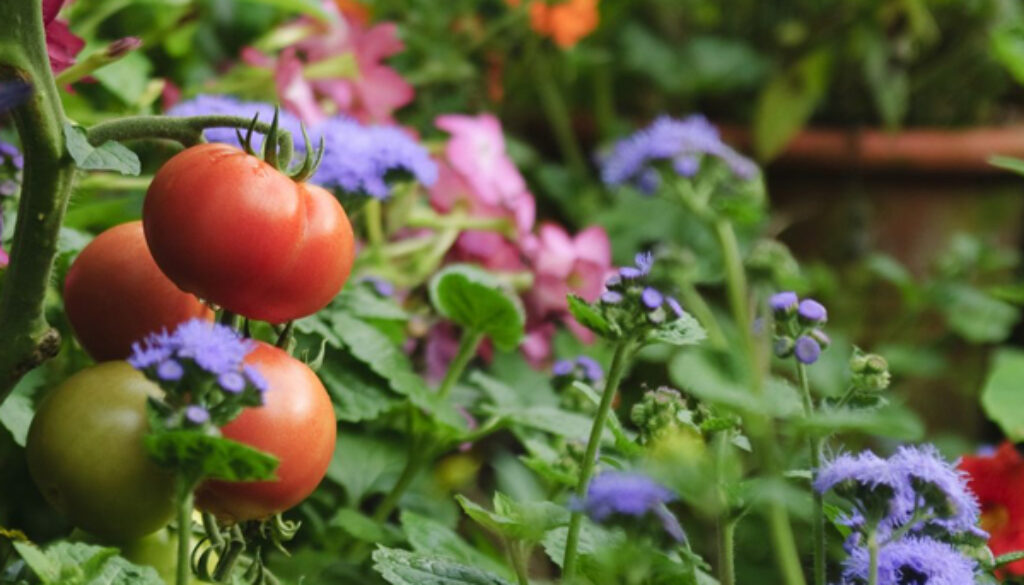
You can start sowing green peppers, aubergines, capsicums, lettuce, Swiss chard and tomatoes in seed trays and keep well protected. Transplant when all danger of frost has passed.
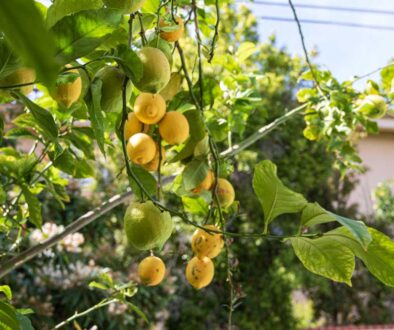
Fertilise your citrus trees now with an organic 3:1:5 and a cupful of Epsom salts (Magnesium sulfate) spread along the dripline of the trees. Water in well. Then spray with a kelp solution to provide trace elements. Start an organic preventative treatment for psylla, if needed.
Start feeding those deciduous fruit trees with an organic fertiliser like flower power, or gwano pellets and water every 10 days to avoid those horrible fruit flies. Apply a layer of mulch around all trees to help with moisture retention during the dry, windy months. Your trees should start flowering this month.
Start cutting back on your autumn fruiting berry bushes and canes and plant new berries as soon as they are made available. This is also a good time to plant new grape vines.
Winter scale can be a problem on fruit trees and berries. A good product to use for this is Oleum. Our staff are extremely knowledgeable should you need any assistance at all!
And thats it, quite a busy month that lies ahead, except, of course, for Wednesday, the 9th of August, when all our beautiful ladies will, well we hope, relax and simply enjoy their gardens. HAPPY WOMEN’S DAY!