September has officially arrived, and spring is in the air! So much happens in our gardens during this beautiful time of the year. It’s the season when gardeners plant with great conviction.
September also tends to be a very hot and dry time of the year, so you’ll need to increase on your watering, always adhering to water restrictions, if any. But also try be water-wise and spread a layer of mulch around your plants or grow a water wise groundcover in all the beds and borders to retain moisture, it in turn suppresses weed growth and keeps plant roots cool.
What to Do
- Look at pruning away all dead, weak and crossing stems on your roses.
- Prune back spring flowering shrubs immediately after they have finished blooming, this will encourage fuller growth.
- Hopefully we have had the last of the late winter cold spell, so if you have any frost cover over your plants they can now be safely removed. Look at cutting back any frost damaged parts of the plant.
- Keep an eye on those topiaries as the quick spring growth can affect their shape you’ve worked hard to achieve.
- As the lawn starts to look a little high, give it a mow with the blades set on high. Apply either lawndressing or lawn fertiliser at the recommended rate. (Always check the instructions)
- Water those spring flowering shrubs like azaleas and camellias to ensure a good show, and prevent bud dropping.
- Deadhead your pansies and violas, so that they will continue to bloom through to November.
- Look at staking your alstroemerias and other perennials that have a tendency to fall over.
- Allow Daffodils and Narcissus to die down naturally and go brown; this will help form next years flower bulb.
- Repot any of your pot plants that look as though they could be ‘root bound’, ie the roots are growing out of the drainage holes. Either remove a little of the top soil and replace with new potting soil, or completely repot if necessary.
- After doing this water the plant sparingly, so that the plants do not rot before they have started rooting. Never fill the pot plant up to the rim of the pot with soil, always leave space for watering.
What to Plant:
- September is the ideal month to plant trees and shrubs in the garden. There is a large variety available at Tuingenoot garden centre that will not only bloom in spring, but will attract birds and butterflies to your garden.
- The trees that will add beautiful colour to your garden are the paperbark acacia, fever tree, blossom tree and the forest elder.
- Plant new curry leaf trees when you are sure all danger of frost is over. These plants are a member of the citrus family and need to be looked after in a similar manner.
- Clivias commonly known as bush lilies bring spectacular colour to the shady areas of your garden during the month of September. They are not only indigenous but easy to care for and waterwise too. A great addition to any garden.
- Popular shrubs to look out for and are a great addition to any garden are polygalas, carnations, argyranthemums and pelargoniums, all of which can be found at Tuingenoot.
- Plant those climbers you’ve been looking at, as the soil warms up so that new roots are encouraged to grow and establish.
- Most herbs can be safely planted now. Dill, origanum, borage mustard, water cress, caraway, coriander, mints, penny royal, rosemary, fennel, basil, anise and summer savoury.
- Plant seedlings of cabbage, lettuce, capsicum (peppers), tomatoes, peppers and egg plants.
What to Sow:
- Sow early vegetable and salad crops in seed trays in your greenhouse or bright window sill. When thinning out, use these for salads rather than discard.
- Look at planting new lawn grass seed or grass plugs this month. It’s the best time for establishing a new lawn quickly.
- Sow seeds of cabbage, lettuce, tomatoes, peppers, eggplant, basil, lettuce, rocket and parsley.
- You can also sow beans, swiss chard, pumpkin, gem squash, sweet corn, baby marrow, carrot, turnips, radish, beetroot this month as well all these seeds or seedlings are readily available at our nursery.
What to Spray:
As all the “re-growth” for the new season starts, you will notice an increase in insects (not the “gardener’s friend” type but rather the un-welcome ones) these will be feasting on all the new tender shoots, so be aware while walking around your garden.
Pest to watch out for are:
- leaf gall on azaleas
- thrips on leaves
- snails and slugs around newly planted seedlings
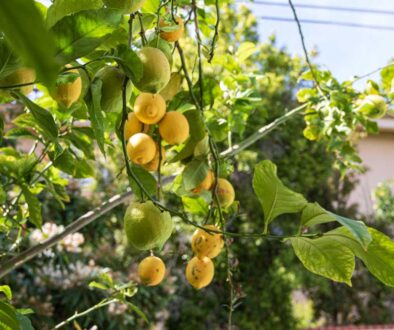
- citrus psylla on lemons
- check for weed growth in your lawn and apply selective herbicides where applicable.
- if you planted impatiens in August, be sure to keep an eye out for impatiens fungus.
There will be an increase in the number of weeds in your garden, so a great deal of the gardener’s time will be spent on these two chores!
But it is no problem though, just pop into Tuingenoot and pick up all the products you will need to protect your garden this spring!
What to Feed:
Time and energy must be spent on feeding the garden during September as plants push out their new growth; try also give attention to your lawn as this will be re-paid with improved and lush growth during the year.
Feed strawberries, raspberries, granadillas and grapes with a general 3.1.5. fertiliser like 3.1.5 from Culterra, or Wonder Organic Vita-Boost.
Add organic slow realease fertiliser like flower power to your fruit trees and shrubs – remove the mulch, feed and replace the mulch watering well after application.
Fertilise all fruit trees now with a general purpose fertiliser like flower power or gwano pellets at the recommended application rates.
Waterwise:
Waterwise flowering plants are hardy and are exactly what the name says, waterwise!
These plants survive on minimal water and tolerate hot dry conditions. One of the easiest ways to save water is to go indigenous.
Look at planting things like gazanias, wild garlic, wild irises and of course the bright and beautiful vygies
Visit us today and find all your Spring gardening necessities and favorites in full flower!