Wondering what to plant in March or which tasks are essential to keep your autumn garden looking good? Hare at Tuingenoot we try give you the best possible information to help you keep your garden looking great all year round!
March is always a busy time in the garden with loads of sowing, planting and planning to be done in preparation for winter and spring. Before you get stuck in, why not take a bit of time and come visit us at Tuingenoot for planting inspiration and get an update on what’s hot in the gardening world right now?
General March Garden Tasks
• Autumn is the ideal time to establish young plants before the cold weather set in. Consider deciduous trees with striking autumn foliage.
• Fertilise all your container plants, hanging baskets and seedlings with liquid plant food like seagro, Nitrosol etc.
• Now is a great time to feed the garden and lawn with a potassium rich fertilizer like 3:1:5. This will help strengthen the cell walls of your plants before winter and its frost arrives.
• Water during cooler times. Watering during early morning will minimise evaporation and allow your plants to absorb the water before the sun dries them out.
• Use more containers in the garden. Pot plants have a smaller surface area for water loss and evaporation, making container gardening one of the best ways to save water in the garden. It’s especially effective when you use water-retention granules.
• You can look at lifting and dividing all summer – flowering perennials such as Agapanthus, Hemerocallis and Iris. Replenish those planting holes with compost and cut plants back. Keep the divided clumps to a fair size, so that the plant can recover in time for next season. Water well.
• Weeds will be plentiful after the rains we have had through the season. Pull them up regularly and more importantly before they go to seed as they compete with your garden plants for nutrition and water.
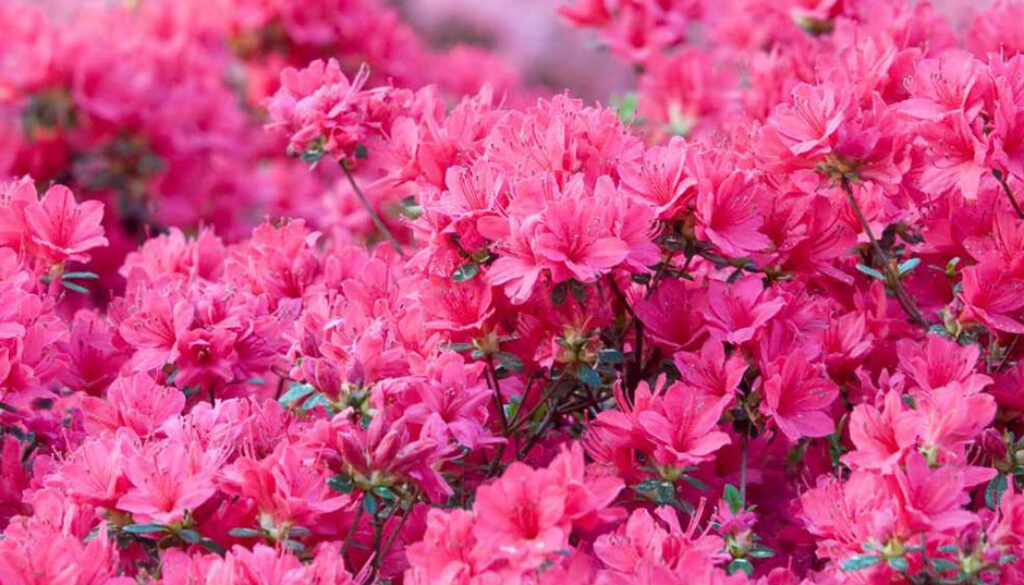
• Plants like Azaleas, Camellias and Gardenias will start forming their buds now. So be sure to keep them moist to avoid bud drop before they open in spring.
• Fertilise all your rose bushes with a balanced rose fertilizer and water them twice a week if needed. Remember to continue checking and treating for fungal and insect infestations, with products like rosecare plus.
• The plectranthus species is known for its aromatic foliage and its mass of mauve, purple or lilac flowers from February to November, bringing beautiful colour to a winter garden. They require very minimal attention and, once established, are hardy during periods of drought.
• Deadheading summer annuals that are still in flower and remove the spent ones, is always a good practice to have in any garden. Start preparing your beds for winter annuals by spreading a thick layer of compost and 2:3:2 fertiliser according to the instructions given on the back of each bag.
The Food Garden
• Feed your fruit trees that have finished fruiting with an organic 8:1:5 fertiliser. Spread the fertiliser along the dripline of the tree and water thoroughly, after application.
• Pick the last of your spent summer vegetables like tomatoes, brinjals and peppers and pull up the plants. Prepare your beds for winter vegetables by digging in a thick layer of compost and some organic 2:3:2 or bone meal according to instructions.
• Ensure that cabbages are kept moist and feed them fortnightly with an organic, liquid seaweed- or fish- based fertiliser or once a month with a balanced organic fertiliser, like 6:3:4. This will help them form health balls.
• March is the time to divide and plant strawberries but towards the end of the month in well composted beds or pots.
• Garlic bulbs will be available for planting towards the end of March, one can also use the cloves you can buy at the stores.
• Harvest your annual and frost tender herbs now while they still have zest and flavor. This doesn’t mean you’re in for a bland winter. Look at preserving the harvested herbs by drying, freezing or making a pesto or herb butter. They can also be preserved in oil or vinegar.
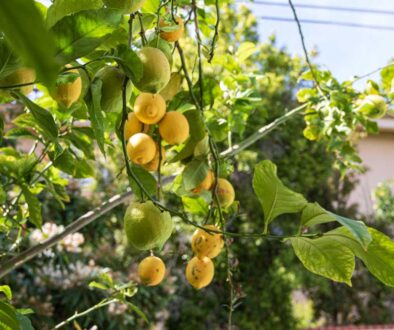
• Keep your citrus trees moist while the fruits are swelling and spray with a kelp solution to provide trace elements. Also thin fruit out if the tree is overloaded, rather have less tasty fruit, than large amounts that can be tasteless, or less so.
• You should also look at feeding all your berries with an organic 3:1:5 fertiliser.
March is the sowing month
It’s the change of season and seeds are on the shelves at Tuingenoot and its a suitable time for sowing now and also in the upcoming cooler months. Choose and sow your favourites from the following:
• Vegetables: Brussel sprouts, cabbage, carrots, celery, Chinese cabbage, cauliflower, kale, leeks, lettuce, marog, onions, Oriental greens, parsnips, peas, radish, spinach, Swiss chard and turnips.
• Herbs: Dill, parsley, borage, chives, garlic chives, rocket and chamomile.
• Flowers: African daisies, Alyssum, Snapdragons, Bellis perennis, Calendula, Chrysanthemum paludosum, Dianthus, Bokbaai Vygies, Pansies, Poppies, Primulas, Stocks, Violas and Sweet peas.
• The end of March is also a good time to sow evergreen and shade lawn seed, to cover up those bear patches.
• Prepare beds for bulbs by adding a good portion of compost and bone meal, vermicast or organic 2:3:2. Good drainage is essential. The preferred position will be indicated on the packaging as well as the plants’ suitability to being containerized. Cover planted bulbs with a layer of mulch. Water bulbs deeply every four days and if the bulbs are in pots then more frequently.
• Summer-flowering bulbs will be going dormant now – mark the spots they are planted with things like somatic sticks to protect the bulbs from being dug up.
• Start feeding summer bulbs as soon as they have finished flowering with a special bulb food available at Tuingenoot. You may ask yourself, Why now? Because they will store this food in their little bulbs in preparation for their spectacular show next season