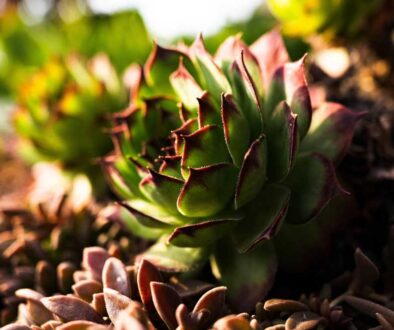
Ones things for sure we need to weed regularly in this season before weeds go to seed. A thick layer of mulch will also help to suppress weeds.
A warm Welcome 2023! A new year and as always a time filled with new possibilities and opportunities for goals, insights and growth.
We at Tuingenoot hope that you are starting this year with renewed energy and great ideas and we look forward to bringing joy and excitement into your homes and gardens as we enter into the months ahead.
Getting back into the garden…
If you’ve been away these holiday, you might have returned to a very weedy garden and hopefully not too many plant casualties. Start by weeding all your beds thoroughly before the weeds go to seed and top up the mulch if needed. Keep weeding throughout the month to stay on top of things.
Check your rose bushes thoroughly for any signs of black spot, aphids, red spider mite and chafer beetles and spray fortnightly if needed. Look at Fertilising with a balanced rose fertiliser and water deeply 3 times per week a good ratio to go with is about 15L per week, unless it has rained sufficiently. Give your rose bushes a light prune this month to encourage another flush of flowers.
Continue with the deadheading of your summer annuals, and look at replacing any spent ones to the fill gaps in your beds with new seedlings that are not too ‘thirsty’ and will tolerate the heat that comes with January. Feed all your annuals in beds, baskets and containers every forth night with an organic liquid fertiliser, Nitrosol or seagro are great choices.
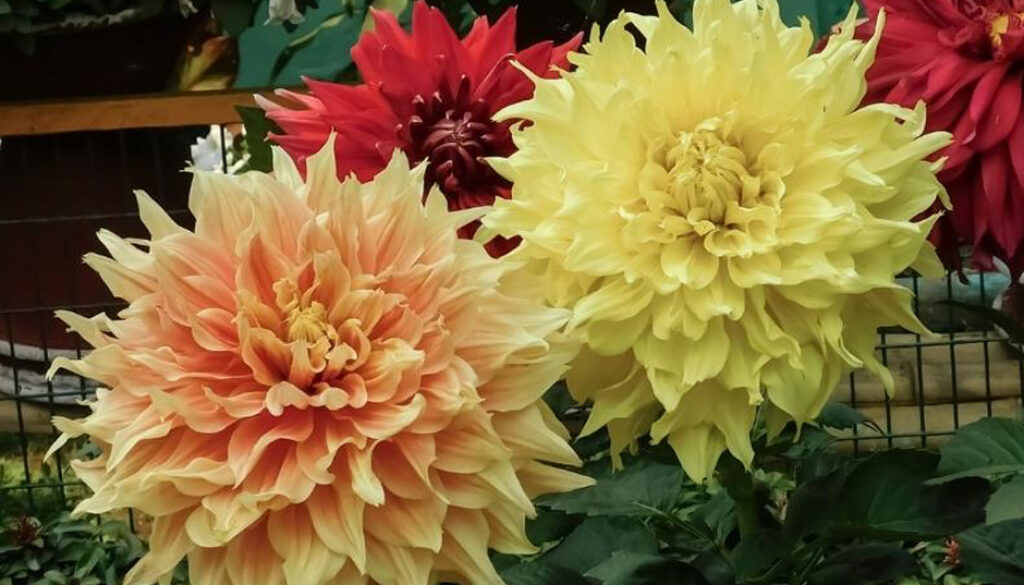
For a colour explosion, annual colours to plant with abandon this month are, for the shaded areas, New Guinea Impatiens, Begonias and Coleus. And for the more sunny spots, choose Dahlias, Lobelias, Marigolds, Dianthus, Carnations and Petunias.
Trim and shape all your unruly topiaries, evergreen hedges and standards.
Trim Fuchsias and Hibiscus to encourage new growth also look at cutting back Salvias that have finished flowering – this will boost new growth and flowers for autumn.
With good rainfall so comes some pros and cons, good rainfall does tend to leache nutrients out of the soil. Fertilise the whole garden this month with organic 3:1:5 for flowering and fruiting plants and 8:1:5 for other foliage plants and lawns.
Don’t mow your lawns too short – keeping the blades slightly longer will protect the roots against the heat and dry winds. Fertilise your lawns now with a balanced fertiliser like 5:1:5 or 2:3:2 to promote a well-developed root system, and continue watering twice a week, unless it rains.
If you’re looking at adding new plants to your garden, plant them early in the morning or in the late afternoon. Water thoroughly both before and after planting. Just a side note that it’s best to wait until autumn to transplant existing shrubs and perennials.
Goodness these pests…
Keep a close eye out for lawn caterpillar, mole crickets or fungus in the lawn and treat if necessary a great trick if you suspect any problems take an old wet towel in the early evening and lay it over the infected area, in the early morning lift the towel you should then see who is causing the problem. If it is insect related.
Ants are out in full force now. Take the necessary precautions to control them.
Regularly check all your plants for aphids, white fly and fungal disease and spray fortnightly with an organic pesticide. Put out snail pellets or traps, the best time is early evenings for snails and slugs as they are nocturnal.
Also, don’t let your guard down as far as lily borers go. They’re still very much out there. Spray affected plants with an organic caterpillar spray. Margaret Roberts organic insecticide is a great choice stocked at Tuingenoot.
Essential: Watering
It is still the perfect time to take advantage of summer rainfall and invest in a rainwater tank to harvest our precious rainwater to be used throughout your home and garden, and to help save on your water bill!
Water your gardens preferably in the early morning or, if not possible, late afternoon and remember to rather water deeply, less often than a quick sprinkling every day. Water plants in pots and baskets every day. Also look at water retention granules that can be added to the soil medium.
Consider installing a drip irrigation system to more efficiently water your garden.
Fruit & Veg
It’s piping hot out there and vegetables and herbs could take some strain in this heat of the day. Provide them with some relief by constructing a simple, portable structure from stakes or plastic pipe and 40 – 50% shade cloth, that can be moved around where needed to protect more sun-sensitive plants like lettuce, brinjal, peppers and most herbs.
Have some fun with the kids and plant sunflower seeds in the vegetable patch. They will pop up in no time and they grow fast and very tall – just the kind of thing kids like. Birds will also love it when the flowers go to seed.
Give all your vegetables and herbs a quick boost with a liquid fertiliser and follow up with an organic, slow release fertiliser like flower power, which should last them through the rest of the season. Water well and top up the mulch layer around the plants if necessary.
Continue spraying or putting out bait against fruit flies. Collect all fallen fruit around the trees and dispose of it in the refuse to prevent fruit flies from breeding.
Harvest all vegetables and herbs regularly to promote production.
Look at making your final planting of tomato seedlings. You can also still plant seedlings of beans, sweet corn, leeks, cucumber and zucchini if you provide some protection from this hot sun.
Plant a variety of loose-leaf lettuces in a semi-shade position or amongst taller veg like Swiss chard or runner beans.
Remove all spent or diseased vegetables and plant a green manure in beds that are lying fallow to enrich the soil in preparation for the cooler weather crops of autumn and winter. Look out for seeds for the cooler seasons on the shelves at Tuingenoot. Things like cabbage, cauliflower and Brussel sprouts can be sown now in sowing trays.
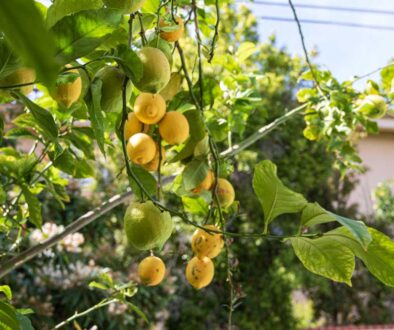
If necessary, thin out the fruit on citrus trees and water the trees twice in a week if rain is insufficient.