

NOVEMBER GARDENING TIPS
The holiday season is quickly approaching and whether you’re planning a trip to the coast or staying inland, don’t let your garden suffer while you’re away. Prepare your holiday garden by weeding flowerbeds, using a general fertiliser, watering the garden well but being wise and mulching. Staying home for the season? Here are our top gardening tips to help you spruce up your summer garden.
Wisen up on Watering
• Water early mornings or early evenings when evaporation is low. Try avoid watering plants such as rose’s in the early evening as this this will make them more susceptible to diseases, rather water in the mornings to allow water on leaves to dry.
• Check sprinkler systems to ensure that they are only watering planted up areas and not hard landscaping areas.
• Watch your plants and get to know their watering needs. Some plants can last longer than you think without watering. If watering by hand, use a watering can or a hose sprayer with a stop valve.
• Spread a thick layer of mulch in all beds to retain moisture, keep soil temperature down and save water.
• Add water retention granules, peat, vermiculite, perlite or clay aggregate to baskets, containers to reduce watering needs.
• Weed the garden to eliminate unnecessary competition for water.
Planting and Garden Care
Plant Hydrangeas now in beds and containers for a Christmas show. Mulch, keep them moist and feed regularly. They are perfect cut flowers for your Christmas table. If your hydrangeas are not blooming, use an acidic foliar feed and mulch around the plant with bark chips. Hydrangeas are considered the ‘mood ring’ of the garden, and the colour (or mood) is determined by the soil in which they grow.
Get ready for the festive season and add instant colour to pots, baskets and beds around the garden and entertainment area with the wide range of summer annuals available now at Tuingenoot.
Plant summer bulbs such as begonias, crocosmias, dahlias, nerines, zantedeschias and Watsonias
Look at planting landscape grasses that are hardy and low-maintenance, and which add to the texture of your garden.
Agapanthus will start flowering now and we have a wonderful selection available! Choose from some new varieties, old favourites, dwarf Agapanthus and large, stunning hybrids and new flower variations, to add to your beds and borders.
Water rose bushes deeply 3 times per week (approximately 15L per week) unless it rains sufficiently. Fertilise once a month with 3:1:5 or a balanced rose fertilizer. Don’t forget to remove all spent flowers, as this will encourage a continuous show of blooms.
Water summer-flowering bulbs deeply twice a week and feed once a month with a balanced bulb food or 3:1:5 fertilizer. Resist cutting back the green leaves of bulbs that have finished flowering. Allow them to die back naturally as they still provide energy for the bulb, which is stored for next season’s blooms.
Fynbos-type plants can be pruned now to stimulate new growth and promote abundant flowering next season.
Keep an eye open for lily borer (a black caterpillar with yellow stripes) on lily-like plants such as Clivia, Agapanthus, Arums and Hemerocallis. If there is any signs of them treat immediately with knox worm or cypermethrin available at Tuingenoot.
Mow lawns weekly and feed once a month with fertilawn, Lan/Kan or a special lawn fertiliser. Water well in the early morning if it hasn’t rained. If possible, reduce your lawn space for a more water wise garden.
Remember to mulch, mulch and mulch the benefits from this are really remarkable!
In the Food Garden
Continue planting in small quantities at three week intervals, of fast growing vegetables that you use often like lettuce, radish, Swiss chard, beans and cherry tomatoes. The same goes for annual herbs you love and use all the time like basil, coriander and parsley.
Start sowing vegetables such as beans, Brussels sprouts, cabbage, carrots, cauliflower, cucumber, lettuce, pumpkin radishes, spinach, sweetcorn and turnips.
Look at growing a herb garden.Add celery, coriander, dill, lavender, linseed, various mint varieties, origanum, rocket, sage, parsley and thyme to the list.
Regularly check plants for aphids, fungus and snails and treat with an appropriate organic pesticide if needed. for any signs of common diseases and pests look at treating them with neem oil, organicide or organicide plus.
Check your citrus trees for aphids, especially on the new growth. Spray fortnightly with an organic insecticide or aphicide.
Top up the mulch around vegetables and water early in the morning before it gets too hot. Feed monthly with a slow release organic fertilizer such as flower power or gwano pellets.
Don’t throw away leaves and peels of vegetables if you are not using them in your cooking. Add them to your bokashi bin or compost bin/heap.
Enjoy harvesting the first of your summer veg and continue to harvest to stimulate new production.
Now is the time to start planting berries to harvest in late summer or autumn. We have a range of mouth-watering berry plants to choose from in the nursery at the moment blueberries, strawberries, gooseberries to name a few.
Mulch and feed strawberries with an organic fertiliser.
Continue treating deciduous fruit trees against fruit fly and codling moth. Harvest fruits regularly. Continue watering during dry spells, also be sure to remove any dropped fruit as this encourages those unwanted pests.
 WHAT TO DO
  September has arrived and spring is in the air! So much happens in the garden during this beautiful time of the year. It’s the season when gardeners plant with great conviction.
 One can look at Pruning away all dead, weak and crossing stems from their roses.
 Prune back spring flowering shrubs immediately after they have finished blooming the will encourage fresh new growth and a bushier plant overall.
 Hopefully we have had the last of the late winter cold spell, so any frosted plant material can now be safely cut back or removed.
  Keep an eye on the topiaries as the quick spring growth can affect their shape, regular pruning helps with a dense crown.
 As the lawn starts to look a little high, give it a mow with the blades set on high. Apply lawn fertiliser at the recommended rate. (Always check the instructions) It is also the ideal time to lay lawndressing down.
 Water your spring flowering shrubs like azaleas and deutzias to ensure a good color show from them.
 Deadhead your pansies and violas regularly, so that they will continue to bloom and give you that colorful show right through to November.
 You can also look at staking your alstroemerias and other perennials that have a tendency to fall over.
  Allow your Daffodils and Narcissus to die down naturally and go brown; this allows for forming of next year’s flower bulb.
 Repot any pot plants that look as if they could be ‘root bound’, ie the roots are growing out of the drainage holes. Either remove a little of the top soil and replace with new potting soil, or completely repot if necessary.
 After doing this water the plant sparingly, so that the plants do not rot before they have started rooting. Never fill the pot plant up to the rim of the pot with soil, always leave a space at the top for watering.
 September is the ideal month to plant trees and shrubs in the garden. There is a large variety available from your local Tuingenoot garden centre that will not only bloom in spring, but will attract birds and butterflies to your garden too.
 The trees that will add beautiful colour to your garden are the paperbark acacia, fever tree, blossom tree and the forest elder.
 Most herbs can now be safely planted into the garden things like your, Dill, Origanum, borage mustard, water cress, caraway, coriander, mints, penny royal, rosemary, fennel, basil, anise and summer savoury.
 Spring is the perfect time to Plant seedlings of cabbage, lettuce, capsicum (peppers), tomatoes, peppers and egg plants.
 Sow early vegetable and salad crops in seed trays in a greenhouse or tunnel. When thinning out, use these for salads rather than discard.
  You can also start sowing seeds of cabbage, lettuce, tomatoes, peppers, eggplant, basil, anise, salad burnett, salad rocket and parsley.
 Sow in situ: beans, swiss chard, pumpkin, gem squash, sweet corn, baby marrow, carrot, turnips, radish, beetroot.
 leaf gall on azaleas
 If you planted impatiens in August, be sure to keep an eye out for impatiens fungus.
 There will also be an increase in the number of weeds in your garden, so a great deal of the gardener’s time will be spent on these two chores!
 No problem though, just pop into your local Tuingenoot and pick up all the products you will need to protect your garden this spring!
 Time and energy must be spent on feeding your garden during September as plants push out their new growth; attention must also be given to your lawn as this will be re-paid with improved and lush growth during the year.
 Feed strawberries, raspberries, granadillas and grapes with a general fertiliser.
 These plants survive on minimal water and tolerate hot dry conditions. One of the easiest ways to save water is to go indigenous.

 Tie all standard roses and young plants securely to their stakes to prevent wind damage. Do not throttle them though. A relaxed tieback in the form of a figure eight around the stake and the main stems, which allows some movement, works just fine.
 All your fruit bearing trees like, Peaches, apricots, plums, nectarines, apples and pears will be coming into flower this month. Feed with 3:1:5, apply an amount of 100g for your younger trees and 200g for the more established ones. Give a dose of Epson salts to any citrus trees with yellowing leaves, along with a general feed. Also look at feeding your pineapples, pawpaw’s, granadillas, figs, mangoes and strawberries with 3:1:5 granular fertiliser. Seeds of Cape gooseberries can be sown now, and asparagus crowns planted.
 For the vegetable garden you can sow beans and a row or two of carrots. Leeks, beetroot, radish, parsnips and turnips can also be sown in the latter part of August. When the main flower head of broccoli has been harvested, feed the plants with a high-nitrogen food to force production of secondary shoots.
 Look at spreading a thick layer of mulch in all beds or top up the existing layer to protect roots against the cold.
 Tie sweet peas to trellises or obelisks at regular intervals. Nip side shoots and pick blooms frequently to encourage more flowers. Water copiously.
  Brassicas are heavy feeders and needs a fortnightly application of a nitrogen-rich fertilizer. They tend to be prone to aphids, so check them regularly and spray immediately, if needed, with an organic aphicide, it neem oil. Also look at interplanting with sage to repel white fly and caterpillars.
 Continue planting seedlings of Brassica, Swiss chard, peas, chives, leeks, onions, rocket and spring onions. Globe Artichokes can also be planted now and are stunning structural plants to add to the garden.
 If you have a worm farm, move it to a warmer, protected space as the worms are sensitive to cold.
 Install birdbaths, water features and statues or drain and fix leaky water features and faulty pumps.
 Repair damaged garden tools and service and sharpen pruning tools in preparation for the big prune!

 Continue planting your spring-flowering bulbs. Water the bulbs deeply and be sure that they never dry out completely, as this will stunt and or damage the growth, be sure to feed fortnightly with a bulb food or organic 3:1:5. Keep feeding fading bulbs to boost them for the next season.
 Water shrubs and plants with shallow root systems, like annuals and bulbs as well as azaleas and camellias, during the dry months that lie ahead.
 Be sure to Dead-head winter-flowering annuals to encourage further flowering. Continue planting winter-flowering seedlings like Pansies, Violas, Poppies, Primulas, Calendula, Stocks, Sweet Peas, Cineraria, Primulas and Primroses, to offer that winter color spray. Also feed them fortnightly with seedling food or liquid fertiliser, allowing them to put on there best show. Be sure to Mulch well.
 May is still the perfect month for planting roses. Come spring they will have settled and you will be rewarded with strong growth and beautifl blooms. Come visit us here at Tuingenoot and pick your favourites from our wide variety.
 If you are planning on planting and transplant trees, vines, shrubs and hedging this is the best month to look at doing so.
 Prune back your plectranthus after flowering, and use the clippings as cutting material to grow more plants (but be sure to put them in a protected area, as they are tender to frost)
 Aloes will add warmth and vibrancy to your winter garden, plus they’re waterwise and very easy to maintain. The added bonus is that they’re on promotion at Tuingenoot right now, waiting to be planted into your beds, rockeries and containers. The added bonus is that they will attract your nectar loving birds ie our beautiful sunbirds.
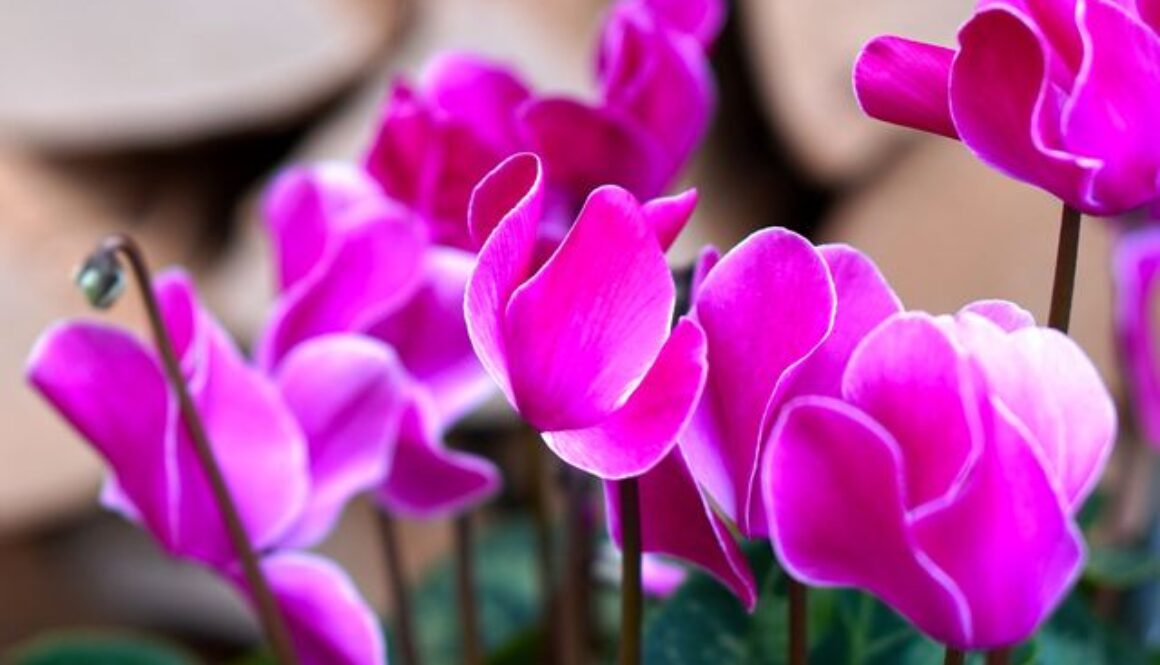
 Bring colour indoors with flowering indoor plants like Cyclamen, Chrysanthemum and beautiful Phalaenopsis and Cymbidium orchids. Feed once a month with a liquid plant food for indoor plants. Feed orchids in flower with a specially formulated orchid food that is available at Tuingenoot.In the Vegetable Garden


 Look at planting strawberries they are a great addition to have in the veg garden and are going into their fruiting season be sure to mulch them well.
 Feed vegetables with an organic fertiliser, look at either flower power or gwano pellets. You can also use a liquid feed like seagro.
 Keep a close eye for signs of cutworm especially around your young vegetable seedlings and place bait if necessary.
 Flowers look at planting the following: African Daisy, Calendula, Diascia, Namaqualand Daisy, Nemesia, Pansies and Sweet Peas.
 Vegetables look at plating the following: Broad Beans, Onions, Peas, Chinese Cabbage, Winter Lettuce, Mustard, Oriental Greens, Radish, Swiss Chard and Parsnips
 Although it is a little too late to look at sowing as many varieties of flowers, herbs and vegetables at this time of year, hardened-off winter seedlings are available in the nurseries to be planted now.


 Our average first date for heavy frost in Gauteng is the 19th of May so be sure to stock up on frost protection fleece or hessian in time to protect tender plants. Move sensitive potted plants to your more protected spots.
 Start collecting all the fallen autumn leaves and use as a mulch or add to the compost heap. Alternatively collect all your leaves in black plastic bags and leave to decompose into wonderful compost. Be sure that you don’t use diseased leaves though.


